Diddy or Didn’t He?
The Ethics Behind the Scandal
The Ethics Behind the Scandal
Sex parties, politicians and the Hollywood elite. Where is the ethics here and how is P'diddy related to this ?
Diddy's white parties, once a hallmark of celebrity excess, are now under scrutiny as the music mogul faces serious legal trouble.
In this text, we consider the ethical side of the coverage of this story
in the media and the Internet. It is important for us to understand whether there are rules of ethics on the Internet for ordinary users
and whether they differ from journalistic ethics.
We are at the stage of transition from one media reality to another.
If in the previous world there were clear rules and ethical norms,
now they are only being formed, which leads to various problems.
White parties
Throughout the 2000s, Diddy was a dominant force in the music industry, collaborating with superstars like Usher, Mary J. Blige, and Jennifer Lopez.
His annual "white parties" were legendary, drawing a who's who of
A-listers seeking the ultimate in exclusivity and glamour. Held each year between 1998 and 2009, these gatherings, initially in the Hamptons
and later at other lavish locations, epitomised the excess of the era.
However, as it turned out, the parties were not all about glamour and sophistication. They were also connected to issues such as harassment, violence, pedophilia, and, possibly, human trafficking.
It is important to note that not all the stars who attended white parties took part in crimes. The bacchanal began after midnight, by which time many guests were leaving the party.
POLICE LINE DO NOT CROSS
POLICE LINE DO NOT CROSS
POLICE LINE DO NOT CROSS
POLICE LINE DO NOT CROSS
POLICE LINE DO NOT CROSS
POLICE LINE DO NOT CROSS
POLICE LINE DO NOT CROSS
POLICE LINE DO NOT CROSS
POLICE LINE DO NOT CROSS
POLICE LINE DO NOT CROSS
P'Diddy
Who is he? His biography career, music and business
Early Career
Diddy's journey into the music industry began when he attended Howard University, where he studied business. He dropped out to intern at Uptown Records, where he quickly proved his talent.
By the early 1990s, he became the head of the label's A&R department, where he played a crucial role in the career of artists like Mary J. Blige and Jodeci.
Bad Boy Records
In 1993, Combs founded his own record label, Bad Boy Records. This platform catapulted both his career and that of numerous artists
The label’s first major success came with The Notorious B.I.G., whose debut album "Ready to Die" (1994) was a critical and commercial hit.
Musical Achievements
P. Diddy is known for a string of hit singles in the late 1990s and early 2000s.
His debut album, "No Way Out" (1997), was a blockbuster success, featuring chart-topping tracks like “I’ll Be Missing You” and “Can’t Nobody Hold Me Down.” The album won him a Grammy Award for Best Rap Album, setting the stage for his ongoing influence in hip-hop.
Entrepreneurial Ventures
Beyond music, Diddy has ventured into several businesses.
He launched his clothing line, Sean John, which earned him a CFDA Award for Menswear Designer of the Year in 2004. Diddy has also made significant strides in the beverage industry with his involvement in Ciroc vodka, transforming it into a profitable brand.
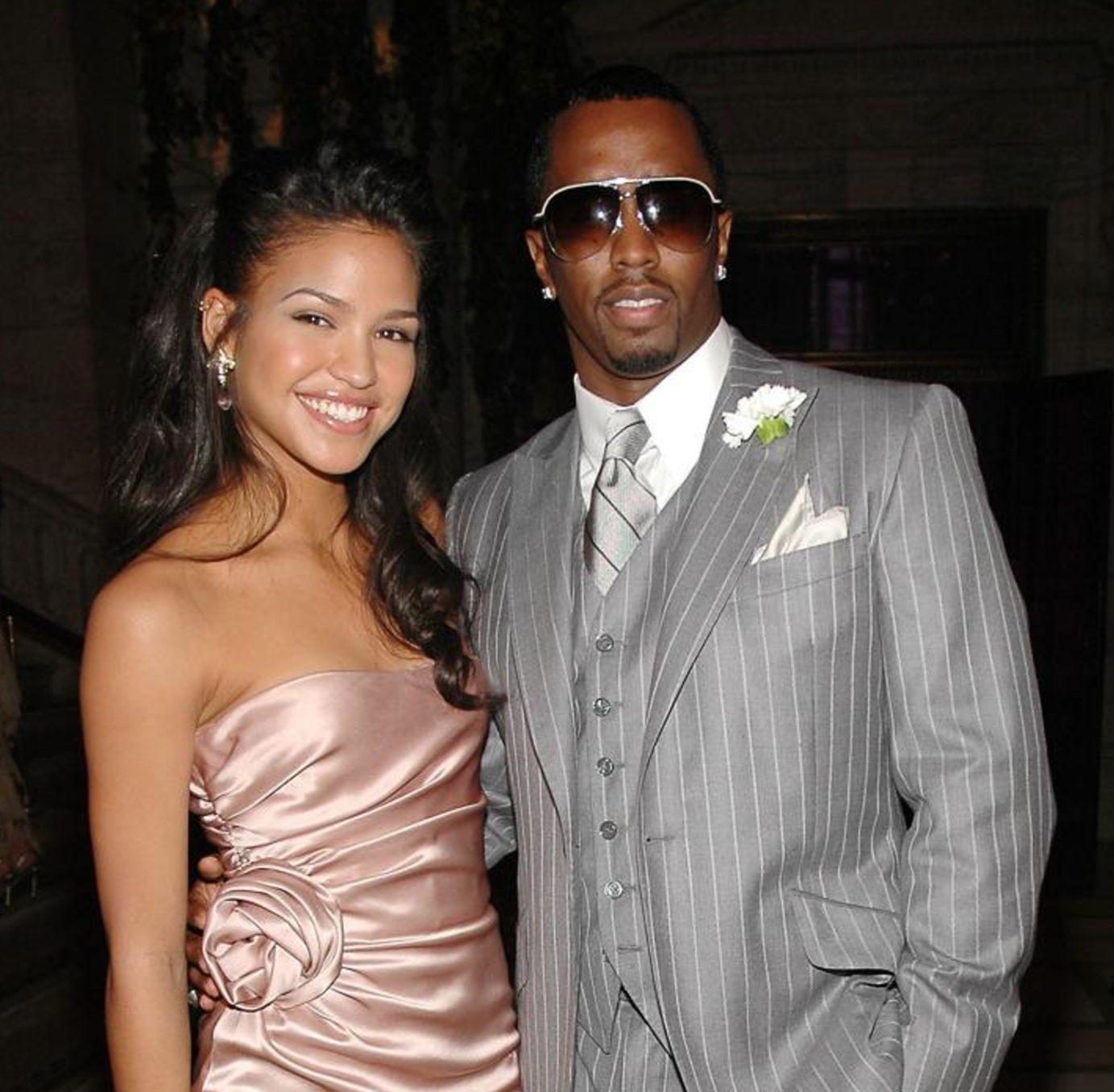
The court proceedings began when,
in November 2022, P.Diddy’s ex-girlfriend, singer Cassie Ventura, filed a lawsuit alleging years of sexual assault and abuse. The lawsuit, which was settled out of court, marked one of over 10 legal actions against Diddy stemming from similar accusations. With more than 120 alleged victims now coming forward, attorneys anticipate a surge in civil lawsuits. Diddy
is currently incarcerated after being denied bail on federal charges of sex trafficking, racketeering, and abuse.
Now, the media, journalists, bloggers, and ordinary internet users are wondering what else P.Diddy could have done, who he could have killed, and which celebrities were involved in these crimes.
While many are condemning Diddy's alleged actions and expressing support for the victims, a segment of the internet has chosen to engage in a different form of response: humour. Memes and jokes targeting Diddy's past, including his lavish white parties, have flooded social media platforms. While some may view these as harmless attempts at satire, others see them as insensitive and disrespectful to the victims involved.
Media outlets also face ethical dilemmas in covering this story. While it's essential to report on allegations of abuse, it's equally important to do so with sensitivity and respect for the victims. The use of inflammatory language or overly sensationalised headlines can contribute to the online backlash and potentially retraumatize those who have already suffered.
At the same time, people on the Internet seem to forget that this is a real situation that happened to real people who suffered at the hands of P. Diddy. With such jokes, they can harm the victims, and reduce the harm done by P. Diddy in the eyes of the public.
“Anonymity is praised as allowing freedom of speech and sometimes helping to expose wrong doing. Critics say it encourages irresponsible and harmful comments”
— said Stephen J.A. Ward in “Digital Media Ethics”
The internet can be a powerful tool for raising awareness about important issues, but it can also become a breeding ground for negativity, misinformation, and harmful content. The case of Diddy highlights the need for responsible online behaviour, ethical media practices, and critical thinking when engaging with sensitive topics.
It's crucial to remember that behind the memes and jokes are real victims, and their experiences should be taken seriously. The online discourse surrounding Diddy's case provides a valuable opportunity to reflect on our responsibility as individuals and as a society in navigating the complex landscape of online communication and accountability.
It's crucial to remember that behind the memes and jokes are real victims, and their experiences should be taken seriously. The online discourse surrounding Diddy's case provides a valuable opportunity to reflect on our responsibility as individuals and as a society in navigating the complex landscape of online communication and accountability.
POLICE LINE DO NOT CROSS
POLICE LINE DO NOT CROSS
POLICE LINE DO NOT CROSS
POLICE LINE DO NOT CROSS
POLICE LINE DO NOT CROSS
POLICE LINE DO NOT CROSS
POLICE LINE DO NOT CROSS
POLICE LINE DO NOT CROSS
POLICE LINE DO NOT CROSS
POLICE LINE DO NOT CROSS
Sufferers of circumstances
Is the ethics of modern media influenced by ratings and preferences of the public? Let's look at the example of the scandal
In the media space
the boundaries of ethics are not clearly defined
Media ethics is a complex set of questions with answers that are often ambiguous and can divide society. What is acceptable when covering someone’s private life? How can we balance the right to information with respect for privacy? These questions lack straightforward solutions, and society offers only different perspectives.
Our aim is not to provide answers to these questions. Instead, we seek to present the facts and offer readers another lens through which to view these events.
Today, anyone can become a source of news, spreading their opinions and claims without restrictions. In the context of the case we are examining, this has led to the proliferation of theories about public figures, celebrities, and politicians, often based on rumors and unverified information. Such theories can have serious consequences for people’s reputations and lives, especially when they rely on falsehoods and disinformation.
FOR EXAMPLE
Kamala Harris
“Kamala’s close friend, P Diddy, has been accused of sex trafficking, kidnapping, arson, and prostitution. This revelation will expose many artists, politicians, and athletes”
Following the announcement of Sean "Diddy" Combs's arrest, a user on social media posted a photo allegedly showing Diddy with Kamala Harris, , captioned: “Kamala’s close friend, P Diddy, has been accused of sex trafficking, kidnapping, arson,
and prostitution. This revelation will expose many artists, politicians, and athletes.” The post quickly circulated, sparking
a wave of backlash toward
the vice president.
and prostitution. This revelation will expose many artists, politicians, and athletes.” The post quickly circulated, sparking
a wave of backlash toward
the vice president.

However, other users later discovered the original photo, which showed Kamala Harris with her former partner, Montel Williams, and his daughter, debunking the widespread fake.
In 2020, Kamala Harris also posted on Twitter about Diddy, thanking him for organizing a gathering on racial inequality as part of her campaign:
“a lot at stake for our communities right now and it's crucial we bring to the forefront how coronavirus is perpetuating racial inequality and health disparities,” she wrote.
“a lot at stake for our communities right now and it's crucial we bring to the forefront how coronavirus is perpetuating racial inequality and health disparities,” she wrote.

What can we conclude from this situation? The lack of ethical standards in the media space is evident in the pursuit of sensationalism and hype without a sense of responsibility. Fabrication of facts, including the posting of doctored photos, is aimed not at objective reporting but
at manipulating audiences to serve personal and political interests.
at manipulating audiences to serve personal and political interests.
Donald Trump
Another victim of disinformation and falsifications is politician Donald Trump, the second contender for the U.S. presidency, who has found himself "targeted" in the online scandal.
Internet users are actively circulating a photo of Trump and his wife, Melania, with the well-known producer Sean "Diddy" Combs, promoting conspiracy theories and claiming that Trump was allegedly involved in Diddy's private gatherings and other questionable events.

In reality, the photo dates back to 2005 at Mar-a-Lago, when Donald and Melania Trump presented Combs with an award from the Rush Philanthropic Arts Foundation in recognition of his support for public education and dedication to youth and social activism. However, as the scandal surrounding Diddy escalated, this photo resurfaced, leading to the spread of unverified claims and accusations against Trump, despite the absence of any evidence linking him to the producer's alleged misconduct.
The electoral race is always a battle
And in the current situation, the arrest of a producer accused of sexual crimes, human trafficking, and other serious offenses has become a new tool in the media’s arsenal. We are witnessing how media users resort to disinformation and the fabrication of facts, using this scandal to “expose” and “discredit” candidates they oppose.
Beyoncé and Jay-Z
Beyoncé and Jay-Z have become the focus of conspiracy theories and negative discussions following the scandal with P'Diddy.
Internet users are circulating rumors about their alleged involvement in a conspiracy with the producer and spinning various speculations involving other Hollywood stars. Among these claims are accusations that Jay-Z and Beyoncé “sold their souls to the devil” by joining a secret Illuminati order. Some theories even spiral into absurdity, suggesting that they are somehow connected to the deaths of competitors who had topped music charts.

Additionally, the discussion has extended to popular artists like Adele and Lizzo, with claims that they are supposedly so intimidated by Beyoncé that they dedicated their Grammy wins to her. Today, Beyoncé and Jay-Z are cast as the “main villains” of the music industry in the public eye.
This situation further highlights the lack of clear boundaries and ethical norms within the media space. People easily fabricate facts, attributing questionable affiliations and events to celebrities, creating false narratives and theories. Media ethics are often replaced by speculation and attention-seeking, which only amplifies misleading judgments and accelerates their spread.
Why are we raising this issue?
Because all of these personal details from the scandalous producer’s life, following his arrest, have once again become widely discussed online, but now they are directed against politicians, specifically Kamala Harris and Donald Trump, as well as entertainment icons like Beyoncé and Jay-Z, and more.
Modern media ethics are influenced by ratings and public preference. What comes to the forefront is not so much a commitment to truth but rather a pursuit of sensationalism and audience interest. Such approaches shape a new reality, where facts mix with speculation, and emotional appeal sometimes replaces factual accuracy. Discussing all the rumors and conspiracy theories could take endless time. However, by examining the most popular examples, we can conclude that ethics in the digital media sphere has a very different character. In journalism, one of the core principles is objectivity and reliability of information, but in the world of new media, such standards are often absent. Here, reality often blends with fabricated stories, creating a portrayal of events that caters more to audience expectations than to the truth.
Victims
As the celebrity culture continues to be marred by allegations of abuse and misconduct, the recent scandal involving rapper P. Diddy has ignited a firestorm of media attention and public discourse. Reports have emerged indicating that over 100 individuals are to sue Diddy for sexual assault, rape and sexual exploitation. However, amidst this storm of accusations, the name of pop star Justin Bieber resonates most prominently, capturing the public’s fascination and concern.
Bieber
who attended these parties during his teenage years
Is now at the centre of a media scandal. Social media platforms have become a breeding ground for theories and narratives about the alleged incidents that may have taken place, and many are demanding an official comment from the singer. Despite the fact that representatives of Justin Bieber report his deteriorating psychological state, some users believe that coming out with public explanations is singer's duty. This sensationalism raises significant ethical questions within the media about the responsibilities of coverage, particularly when it involves allegations of sexual misconduct against vulnerable individuals.



The fact that discussions around Bieber’s name often overshadow the numerous accusations against P. Diddy emphasizes a troubling trend in how media narratives can shift focus. As the conversation unfolds, there is a palpable tension between the demand for accountability and the ethical obligations to respect the individuals involved—particularly young victims who may be re-traumatized by explicit discussions of their experiences without their consent.
Such insensitivity
may be the result of several factors:
- 1The image of idealization:Celebrities are often perceived as idealized figures, which can diminish awareness of their human emotions and challenges, as society tends to see them only as successful and wealthy, ignoring the difficulties they face.
- 2The phenomenon of "distance":Celebrities are at a distance from ordinary people, they are part of media and show business. This distance can create a feeling that they are elusive and inaccessible, making them less receptive to empathy.
- 3Entertainment as a defence mechanism:Celebrities' problems may serve as a distraction from people’s own problems. Society may prefer to view celebrities' lives as entertainment, which contributes to ignoring the reality of their complexities.
Moreover, the propagation of unverified theories and rumors about Bieber's involvement highlights the precarious balance that exists in modern media. While it is crucial to pursue truth and justice for victims, it is equally imperative to ensure that coverage does not devolve into speculation that lacks evidence or fails to honour the dignity of those involved. Now we are witnessing the opposite situation, the media space is filled with a mass of compromising videos and audio with Justin’s participation of unknown and unverified origins.
Ethical reporting and discussing
should prioritize empathy, support for victims, and a commitment to factual integrity rather than sensationalism.
The focus should remain on the allegations against P. Diddy and the lives affected by his actions, rather than allowing the narrative to be overshadowed by the misery’s of celebrities like Justin Bieber.
Another important aspect is the creation of jokes and memes around this situation. Young people who face such predicaments should be approached with compassion, not derision. This trend not only disrespects Bieber as an individual but also perpetuates a culture that trivializes sexual abuse. Jokes about a person being a victim can contribute to an environment where accountability is overlooked, and survivors feel reluctant to come forward due to fear of insufficient support and mockery.
When media or social platforms amplify jokes or content related to this situation, they risk normalizing the commodification of trauma. This behavior can undermine serious conversations about consent, agency, and the need for a supportive environment for victims . Obviously, ethical media practices should seek to discourage any form of exploitation or trivialization of suffering.
The urge to share videos and make jokes about underage Bieber in the context of the P. Diddy scandal illustrates a significant ethical breach in media and social discourse. This situation calls for a shift towards accountability, compassion, and respect for all individuals involved. The emphasis should be on providing a safe space for dialogue about these serious issues, rather than reducing them to mere entertainment for public consumption.
All of the above leads us to the pressing issue of ethics on the internet. If ethics in journalism is a stable phenomenon and coverage of such scandals is already commonplace in the media, then regulating the coverage of online scandals requires public attention. Of course,
this does not exclude the existence of yellow press and dishonest journalists, but this is already an established sphere, with its own
well-known rules.
this does not exclude the existence of yellow press and dishonest journalists, but this is already an established sphere, with its own
well-known rules.
Professional journalists
adhere to a set of ethical principles that guide their reporting and interactions with sources and audience. These principles include:

Truthfulness
Journalists are obligated to report accurate and verified information, ensuring that facts are thoroughly checked before publishing

Accountability
Journalists are responsible for their work and should be willing to correct any errors.
They aim to be transparent in their reporting practices and disclose any conflicts of interest that may affect the content they produce
They aim to be transparent in their reporting practices and disclose any conflicts of interest that may affect the content they produce

Impartiality
Journalists strive to present a balanced view on an issue, avoiding biases and providing diverse perspectives to their audience
“
In contrast to professional journalism, the ethics in social media are less formalized and vary widely. Bloggers and regular users of social media platforms are not bound by the same codes of conduct as journalists. Ethics in social media do not yet exist in full, it is a developing platform in which boundaries have not yet been formed, which is why such situations can occur. While some individuals on social media voluntarily follow ethical guidelines, others may prioritize personal agendas or engagement over accuracy and transparency, which brings us to
“
Users might share rumors, false accusations, or incomplete facts without verifying their sources, leading to the dissemination of misinformation.
“
Social media users often participate in the rapid spread of rumors and unverified claims about a scandal. This behavior is exacerbated by the design of platforms that reward quick engagement, like retweets and shares, rather than accuracy.
“
Many scandals prompt the creation of hashtags that serve to rally support or call for action, such as #JusticeForName. This phenomenon can pressure institutions or individuals to respond and can lead to organized campaigns, public shaming, or calls for accountability.
“
In extreme cases, individuals associated with a scandal can become targets of doxing, where malicious parties publicly disclose personal information. This practice raises ethical concerns regarding privacy and safety, and can lead to real-world consequences for the individuals targeted.
“
Scandals can trigger waves of online harassment where individuals engage in vitriolic attacks against others, often under the guise of anonymity.
“
As users engage more with content that confirms their opinions, the likelihood of developing an “us vs. them” mentality increases.
“
Influencers often play a significant role during scandals, either by amplifying certain narratives or capitalizing on events for personal gain. Their followers may mimic their reactions or reaffirm their beliefs based on their influence, leading to heightened tensions.
“
The viral nature of social media allows for misinformation to spread rapidly. During scandals, many individuals may share memes, posts, or articles without verifying their accuracy, contributing to a culture of "clickbait" where sensationalism overshadows factual reporting.
“
Online communities often call for accountability from those involved in a scandal, whether a public figure, institution, or corporation.
“
Some social media users take it upon themselves to investigate the details surrounding a scandal. This can manifest as crowdsourced investigations where users compile information, share insights, and attempt to draw conclusions about the event. While this may empower communities, it can also lead to the spread of unfounded theories and inaccuracies.
In conclusion, the P. Diddy scandal serves as an important reminder of the responsibilities that come with media coverage of sensitive issues and the way people on the internet discuss it.
TEAM OF THIS PROJECT
- Kira Marchenkosufferers of circumstances
(stars and politicians), design - Alina Sidorovawhite parties, biography of P.Diddy,
a little bit of design - Karina Nikitinavictims,
conclusion of the longread
